
The fourth edition of the World Biodiversity Forum (WBF) was held from 14 to 19 June 2026 in Davos, Switzerland under the theme of Leading Transformation Together. Alternet members from diverse institutes were present at the forum, including DICAM, ISOE, NINA, PBL, Syke, and UK-CEH.
We asked members from three Alternet institutes to share their experiences and impressions of WBF 2026.
Clara Veerkamp, PBL (Netherlands)
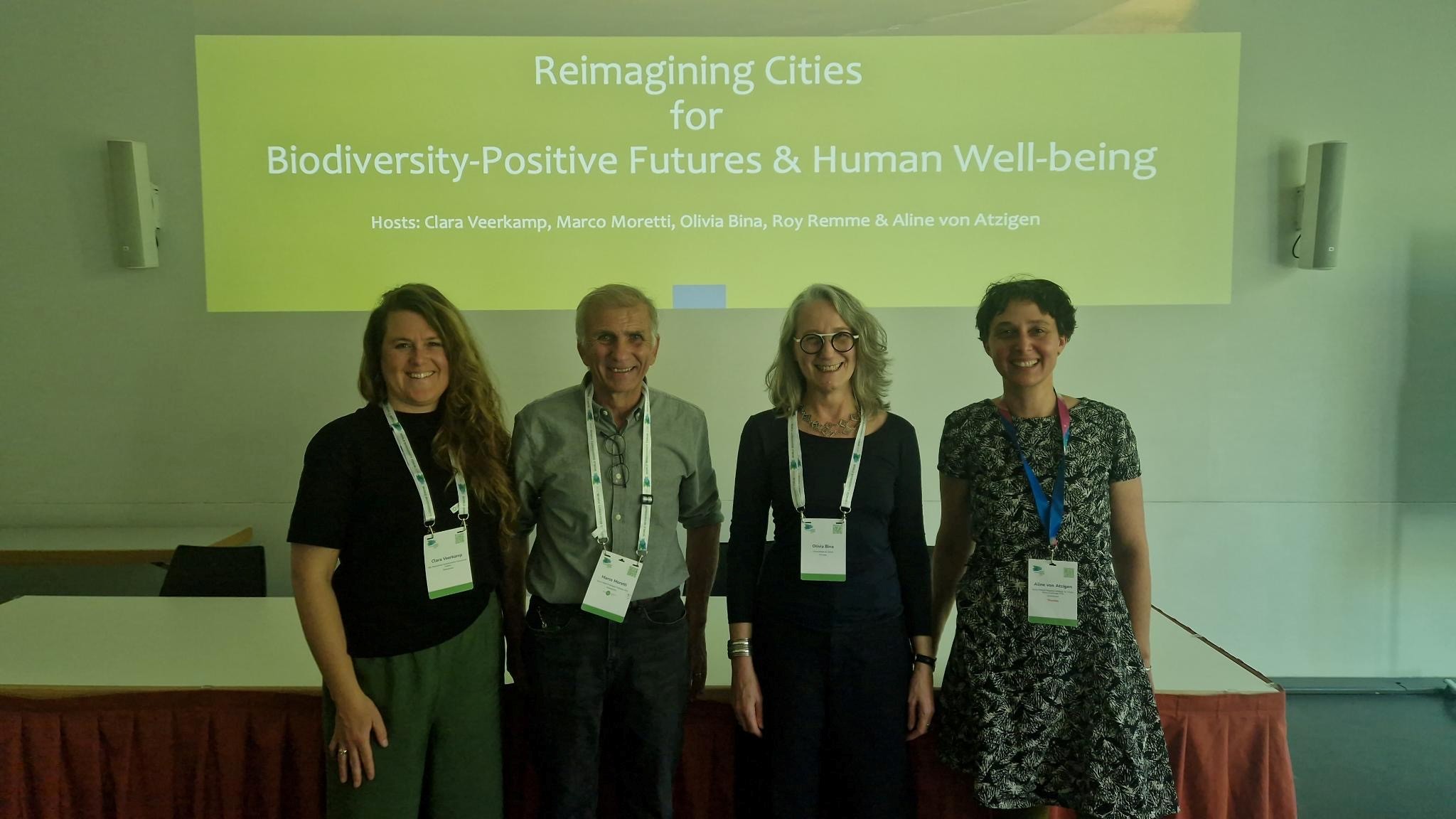
I led a session on reimagining cities for biodiversity-positive futures, where we explored the meaning of the Kunming-Montreal Global Biodiversity Framework’s vision of “living in harmony with nature” in urban contexts and how to achieve this. The session featured 10 excellent speakers working in Europe, Asia, South America, Australia and North America, and representing diverse fields such as ecology, social science, architecture, modelling. Their contributions sparked engaging reflections and discussions on urbanization pathways, the importance of nature in urban areas, and its diverse values.
It was my first experience at the World Biodiversity Forum, and I was pleasantly surprised by the extensive range of topics and disciplines. I attended sessions on environmental law, the modelling of biodiversity and nature’s contribution to people, and philosophical discussions on invasive alien species and the relational values of nature. Most inspiring were the fantastic keynote lectures, particularly Becky Chaplin-Kramer’s call for a ‘science of recovery’, David R. Boyd’s emphasis on ‘the right to a healthy environment’ and ‘rights of Nature’, and Lyla June’s heartwarming perspectives on ‘human beings as keystone species’ and ‘humanity as a gift to the land’ , which left me feeling optimistic and hopeful.
Silvia Frezzi, DICAM (Italy)
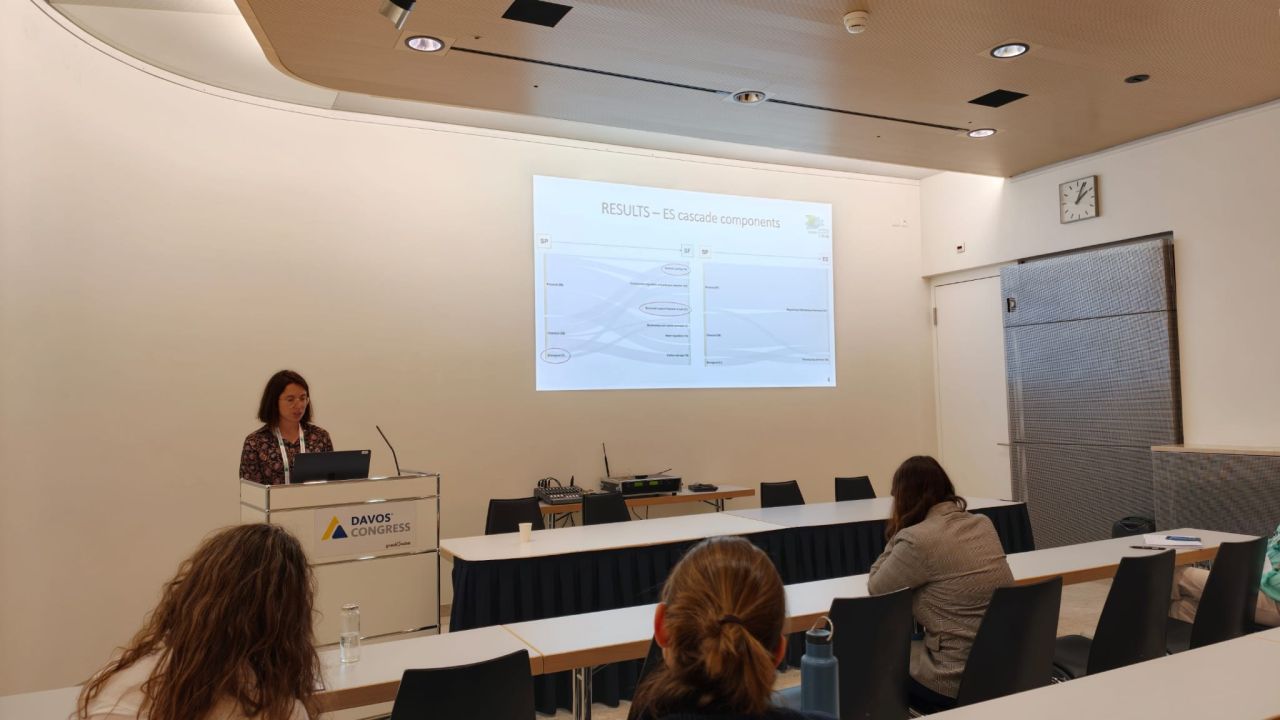
At the World Biodiversity Forum in Davos, I presented my research during the session “Bridging biodiversity and society: Planning and governing multifunctional green areas in urban and peri‑urban landscapes.” My contribution focused on integrating urban soil quality into spatial planning, exploring the links between soil properties, soil functions, and ecosystem services in cities. The session offered an inspiring interdisciplinary space, bringing together diverse perspectives on biodiversity, urban green spaces, and planning. I left with a strong sense of motivation and a clearer understanding of how collaborative efforts can advance the broader goal of “leading transformation together” in addressing biodiversity loss and planetary challenges.
George Linney, UK-CEH (UK)
I presented a poster on work carried out for the Horizon Europe BIONEXT project. The poster summarised a large literature review examining the interlinkages between biodiversity and six nexus elements: food, water, health, climate change, energy and transport. The review examined how biodiversity interacts with the wider nexus, highlighting the complexity and context-dependency of these interlinkages and biodiversity’s role in underpinning resilient ecosystems and human well-being for a sustainable future.
My overall impression was that we already hold the knowledge we need, the harder question is how to translate that knowledge into action. There was a remarkable diversity of work presented, ranging from the impact of biodiversity loss on financial markets and financial risk through to the role of Indigenous knowledge in decision making. A recurring theme was how to bridge the gaps between these very different perspectives. It was encouraging to see momentum behind nexus approaches as a way of connecting them at the high level, but I came away feeling that the bigger challenge is translation to the local level, where many decisions are actually made.
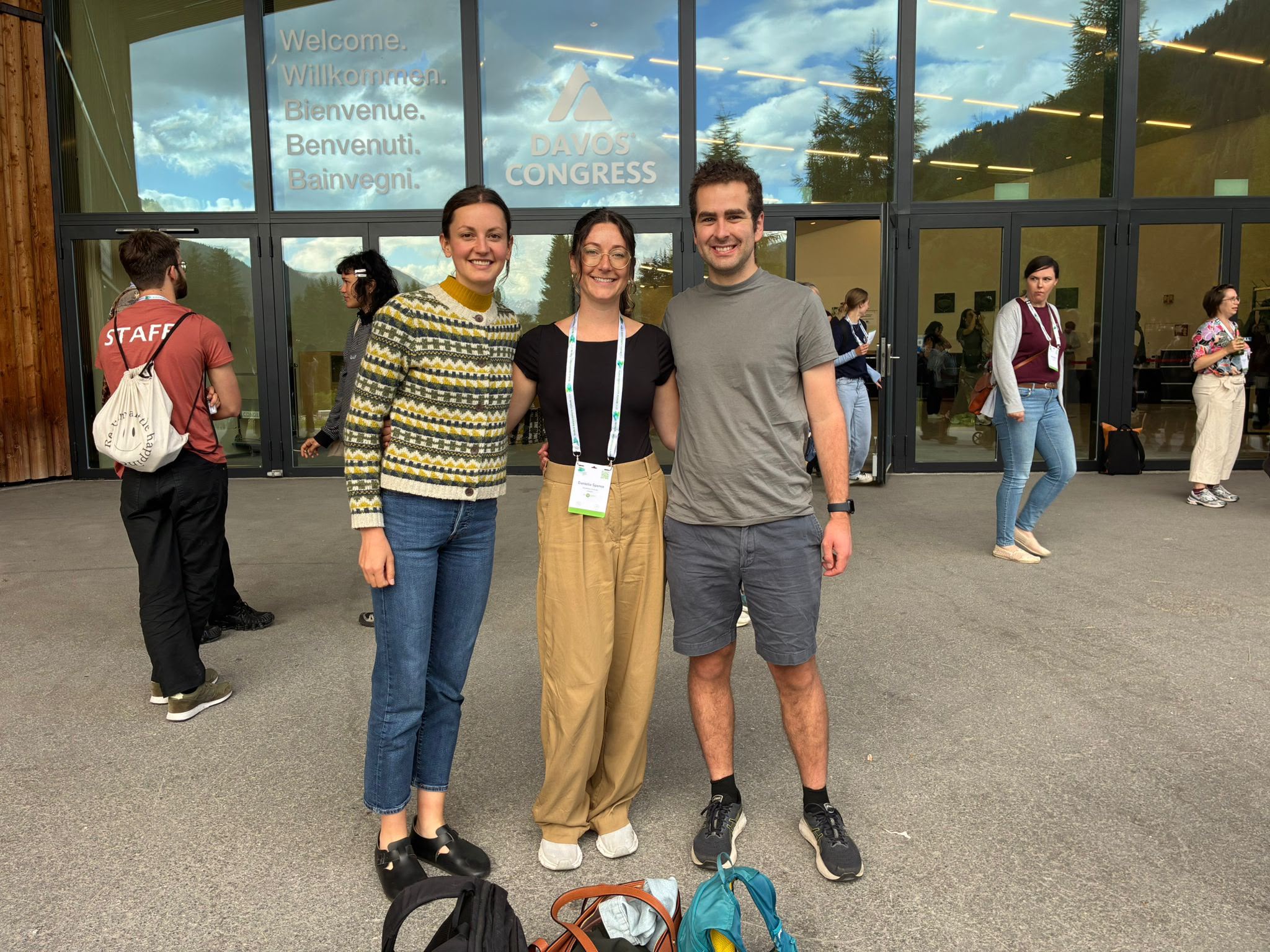 We’re proud of the strong representation of Alternet members at the World Biodiversity Forum and the leading role they have taken in the work of leading transformation together.
Leave a Reply
You must be logged in to post a comment.